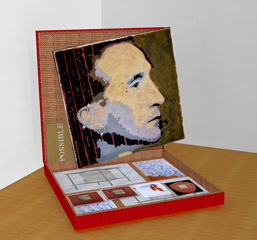
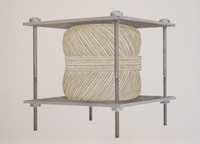
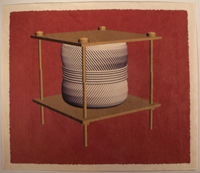
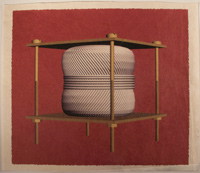
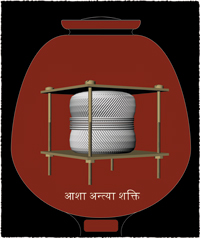
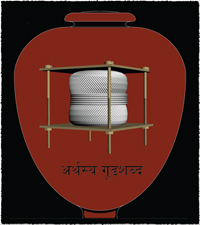
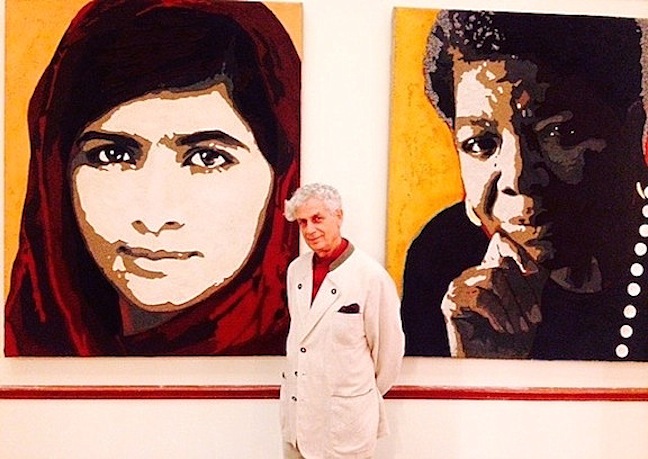
Boîte-en-valise II, red (2011)
PAN — Palazzo delle Arti, Napoli
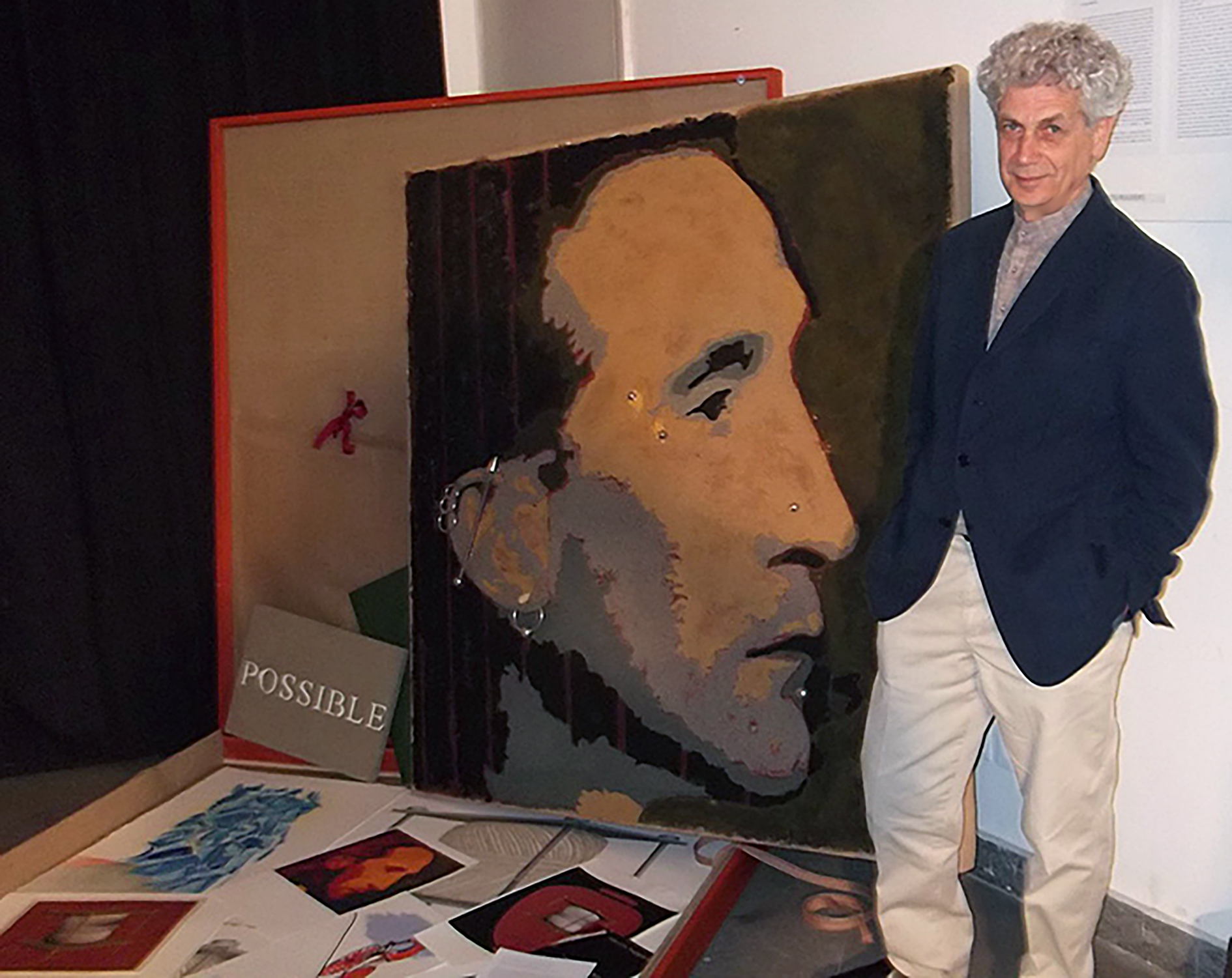
Boîte-en-valise II, red, 2011
Marcel Duchamp was the artist who played most intensely with double meaning while naming his ready-mades. The ready-made involves taking mundane, often useful objects not considered to be art and transforming them into an art object by altering or simply renaming them and placing them in a gallery setting.
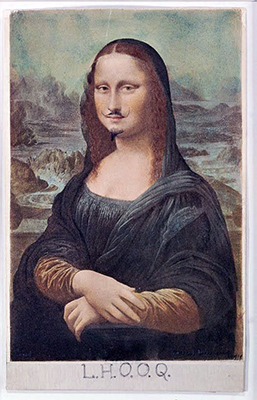
L.H.O.O.Q is a rectified ready-made made in 1919 by Marcel Duchamp and signed Rrose Sélavy.
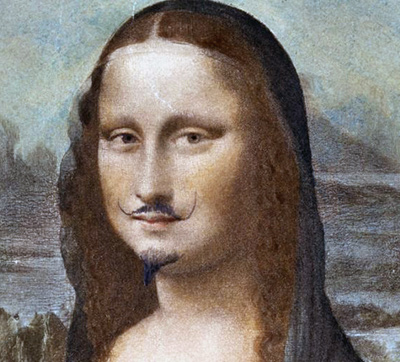
L.H.O.O.Q. is a cheap postcard reproduction of Leonardo da Vinci's Mona Lisa, onto which Duchamp drew a moustache and beard in pencil and appended the title.
According to Duchamp, the mental act of choosing adds an aesthetic value to the artwork, while technical skill is merely manual work.
According to Fabrizio Ruggiero, technical skill can itself be a sophisticated mental action; yet the linguistic gap producing a variation in meaning inside an idiom has nothing whatever to do with visual arts.
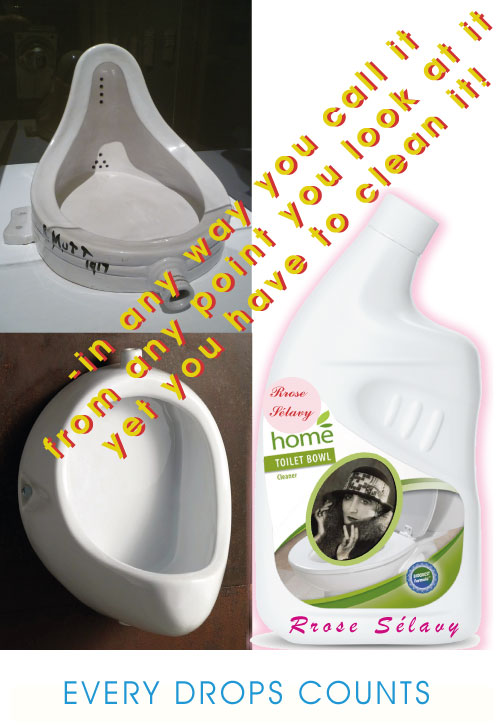
Fabrizio Ruggiero, Every drops counts, Home toilet bowl by Rrose Sélavy
print on Arches paper, cm 48 × 35, edition of 10
Painting is not made of words, painting has no sound. Painting does not wait for ears ready for listening but eyes ready to watch. Painting suggests the inexpressible, a glimpse of something that can be captured in-between or behind experience; something that cannot be told because painting has no words, but that painting can express because it consists of signs and colors.
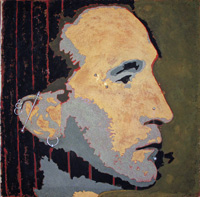
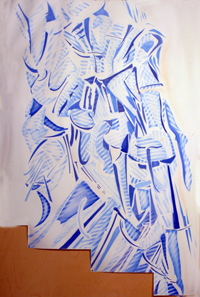
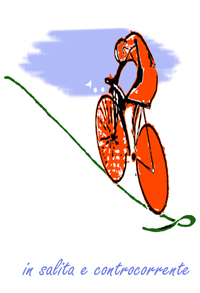
In the last twenty years, starting from this concept, Fabrizio Ruggiero used Duchamp's objects as subjects for his frescoes, thus giving them a different meaning. In his capacious Boîte-en-valise II, red (2011), he gathered his controversial works on Duchamp's ready-mades: preparatory sketches for his anamorphic view of Nu descendant un escalier, Celeste!, Ariadne and Dionysus (3D virtual model of the ready-made A bruit secret), the fresco portrait of Marcel Duchamp with piercing, and other works.