

Structure & Form — Analytical Fresco
Structure precedes image; form emerges through process.
Structure & Form articulates the methodological dimension of Fabrizio Ruggiero’s analytical fresco practice, foregrounding the constructive logic through which the image comes into being. Here, form is not conceived as a pre-given figure, but as the provisional outcome of material processes, temporal sequences, and spatial constraints.
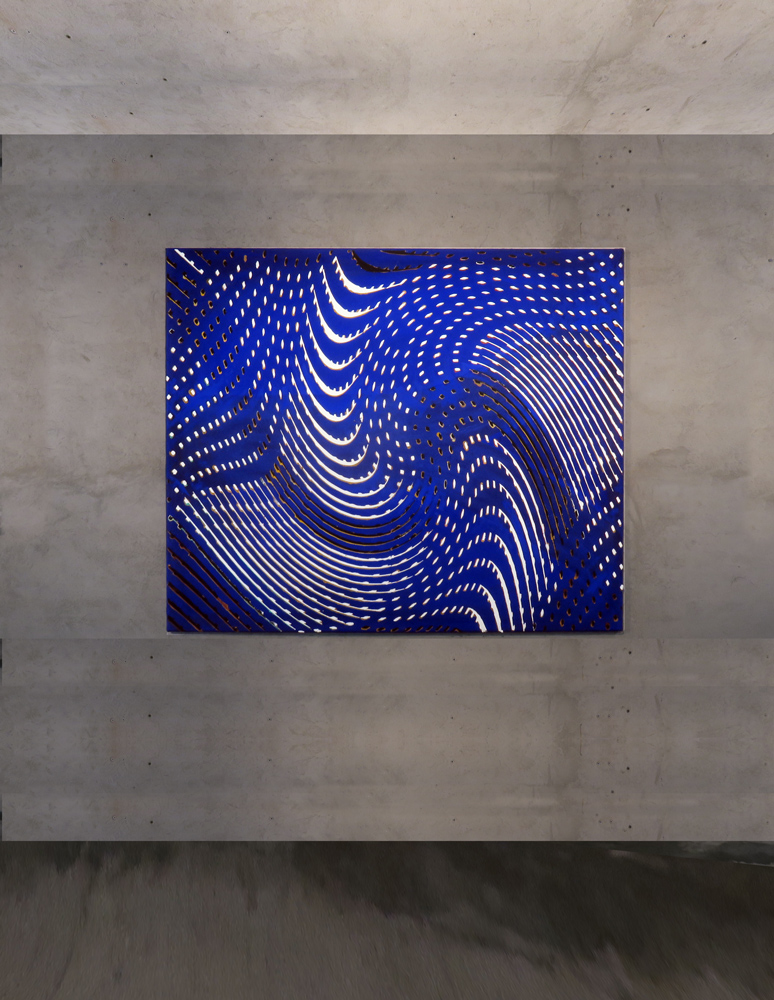
Fresco with lime mortar, pigments on wooden support cm 150 × 180 × 5
Working through fragments, grids, and modular surfaces, the practice approaches painting as a field of operations rather than a site of representation. The image is assembled through layers, interruptions, and intervals; what appears is the residue of a process that remains legible on the surface. In this sense, structure operates not merely as a formal device, but as an epistemic tool: a way of thinking through making.
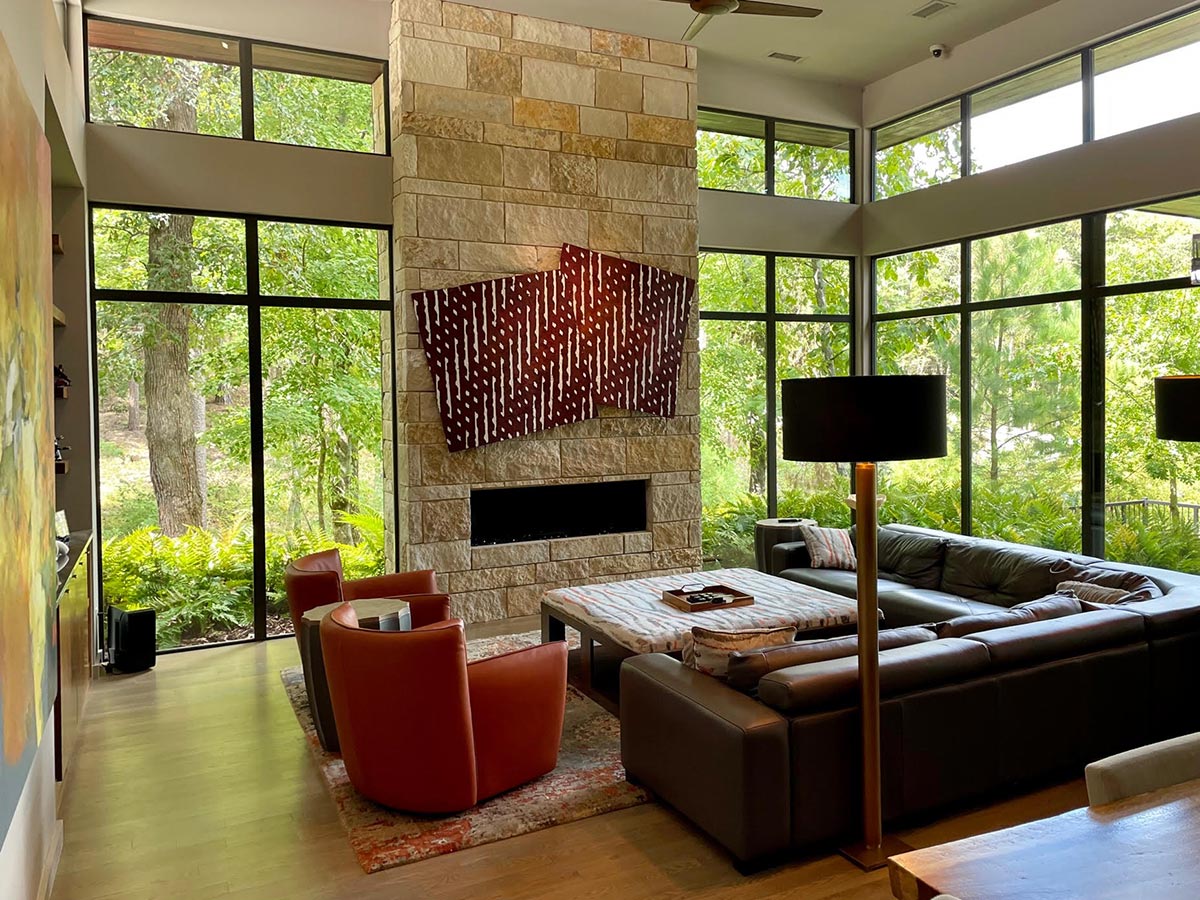
Fresco on curved and shaped wooden panel
Two panels, each: cm 155 × 155 × 15
The surface retains the legibility of its own making. Rather than offering a closed image to be consumed, the work invites the viewer into a reading of process: an attentive engagement with layers, interruptions, material resistances, and temporal sequences through which form has come into being.
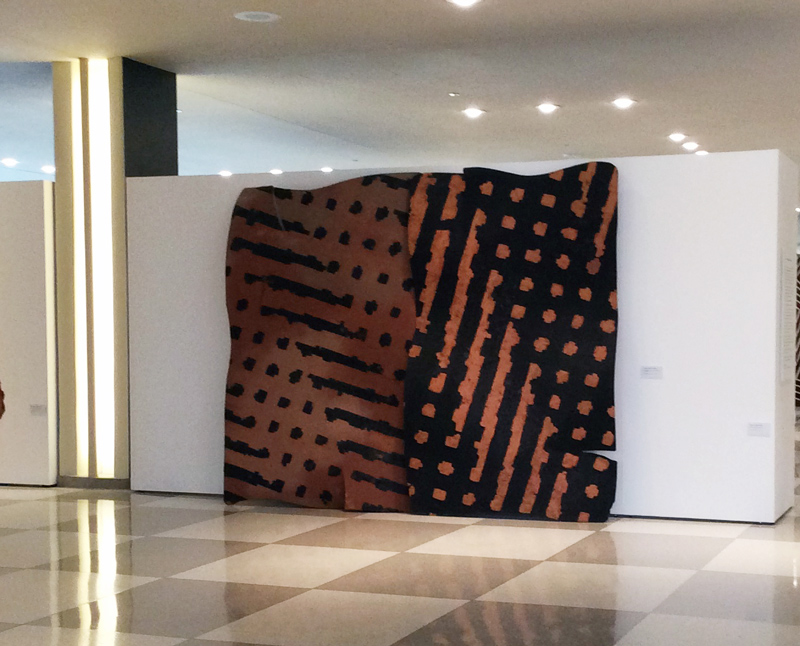
Fresco on curved and shaped wooden panel
Two panels, each: cm 240 × 155 × 15
By insisting on the conditions of production—substrate, scale, rhythm, and duration—the work situates fresco within a contemporary logic of construction. Form emerges as a negotiated event between intention and resistance, control and contingency, planning and material response. The resulting surfaces hold the trace of this negotiation, inviting the viewer into a slow, reflective encounter with the conditions of their own visibility.
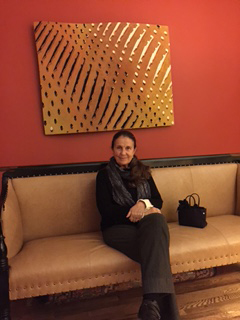
Fresco on curved and shaped wooden panel
cm 100 × 150 × 15