

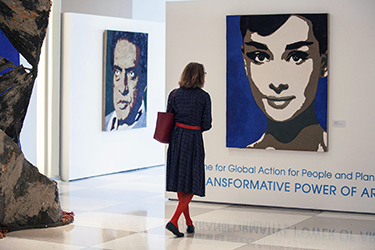
ART HUB — Structure
The ART HUB unfolds as a constellation of institutional presences, research axes, and symbolic territories.
Each node frames a specific context in which Fabrizio Ruggiero’s practice engages with institutions, public space, and critical discourse.
Painting, installation, portraiture, institutional contexts and research unfold as a single curatorial ecology, articulated through interconnected nodes.
Painting, installation, portraiture, institutional contexts and research unfold as a single curatorial ecology, articulated through interconnected nodes.
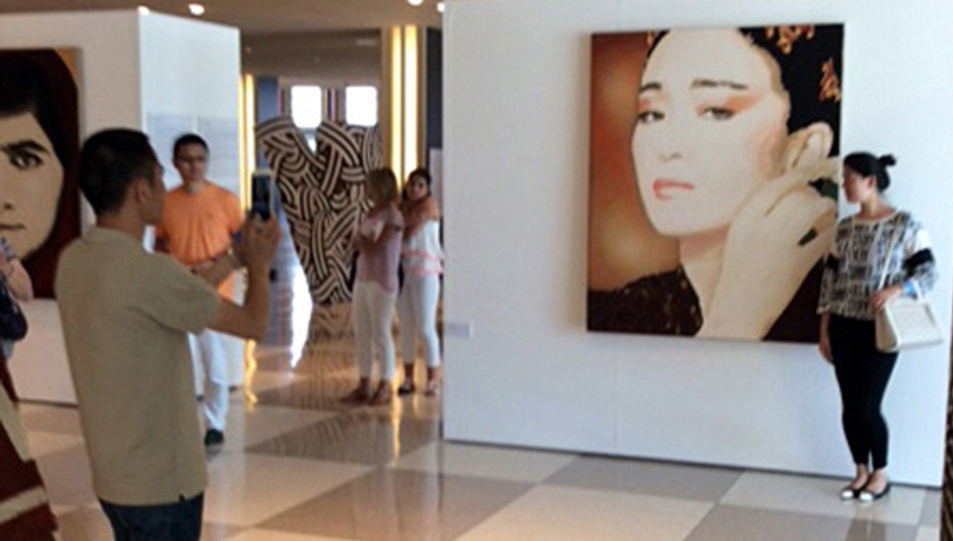 Institution
United Nations
Institutional Node
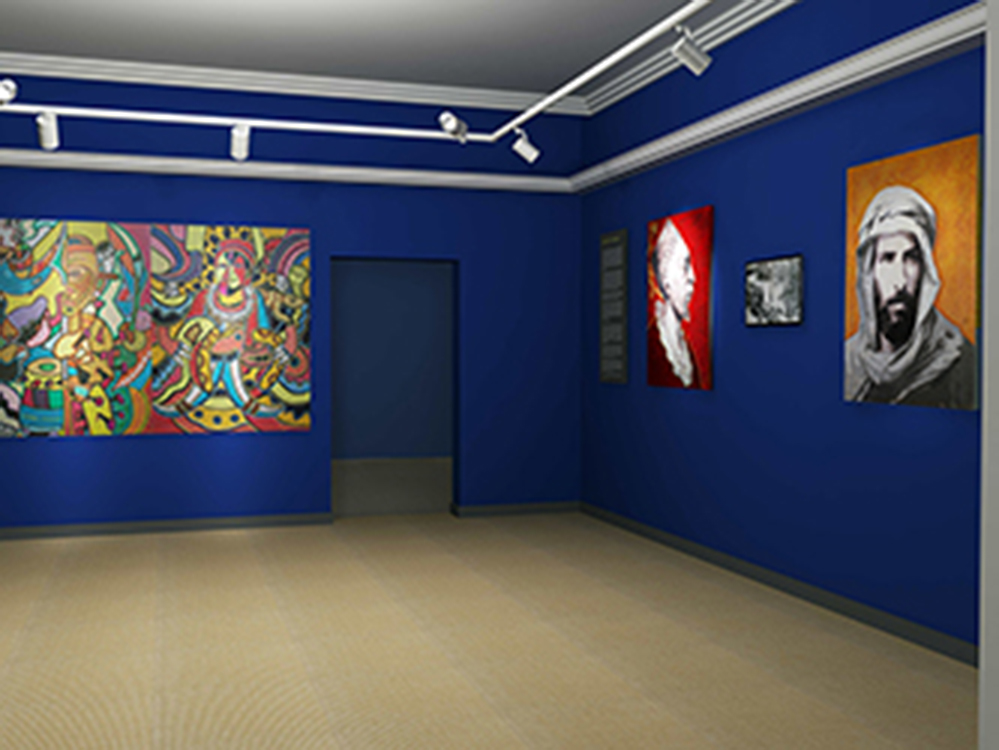 Institution
Cameroon National Museum
Institutional Node
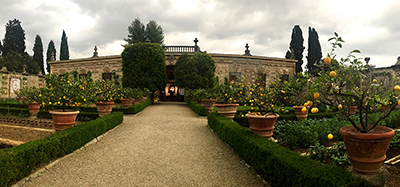 Institution
Villa La Pietra — NYU Florence
Institutional Project
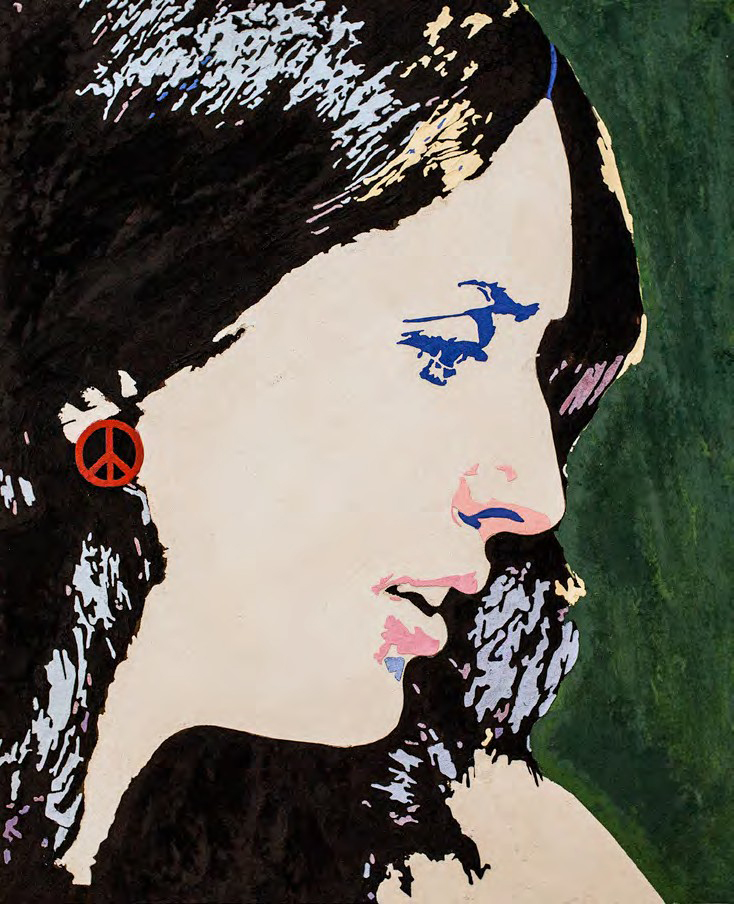 Portrait Research
Portrait Archives
Memory, Effigies, Civic Image
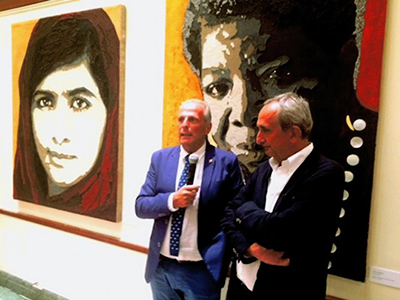 Institution
Casa Italiana — NYU
Institutional Program
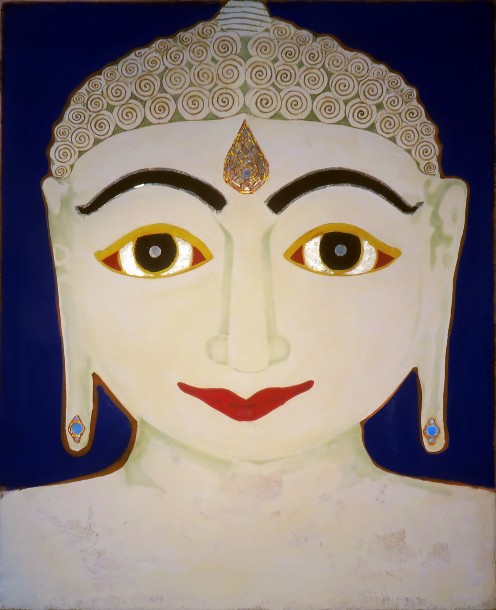 Conceptual Axis
Axial Age
Ethics, Consciousness, Transformation
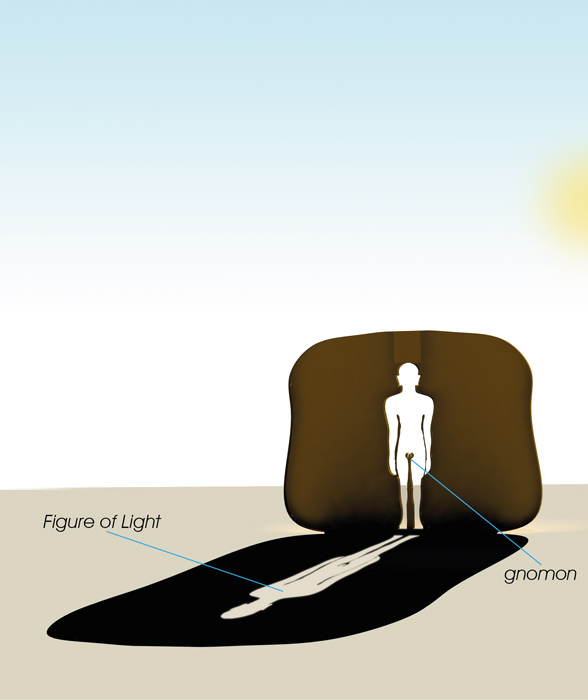 Conceptual Node
Venice — Human Absence
Perception & Absence
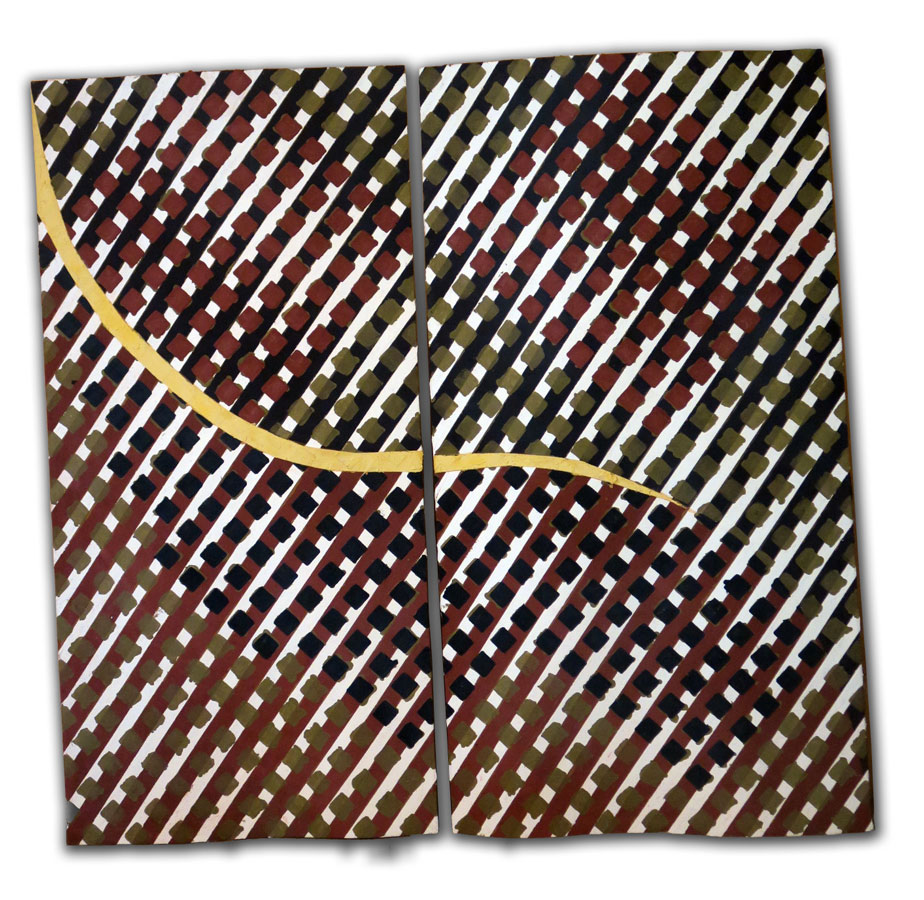 Research Axis
Research Grid
Structure & Theoretical Field
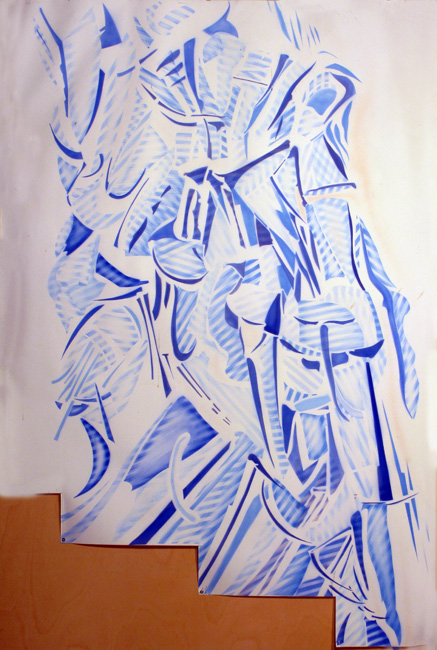 Research Axis
Installations
Structure & Theoretical Field
Dates are intentionally absent. The temporal horizon of these works is not that of linear chronology, but that of presence. Each encounter unfolds within the time of the viewer’s attention — in the lived duration of looking, pausing, and moving through the work. Time, in this context, is not an archival measure but an experiential condition. The works do not belong to a past that can be catalogued; they come into being in the present of their reception. What matters is not when they were made, but how they are encountered — here and now.