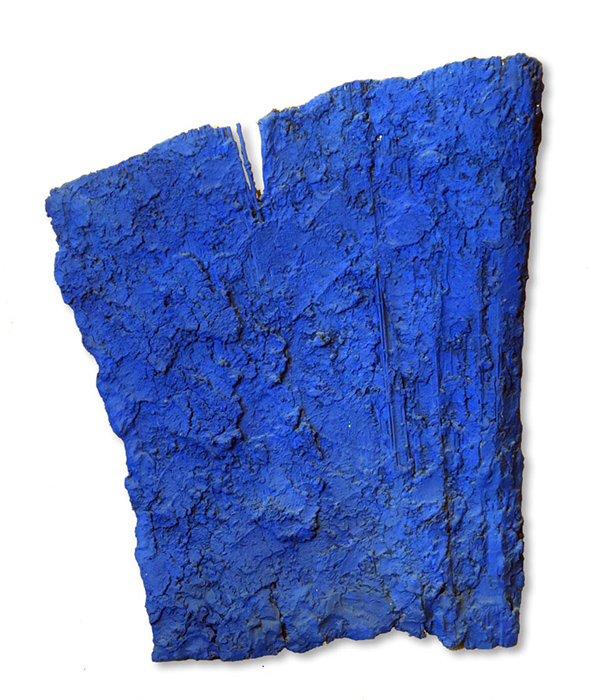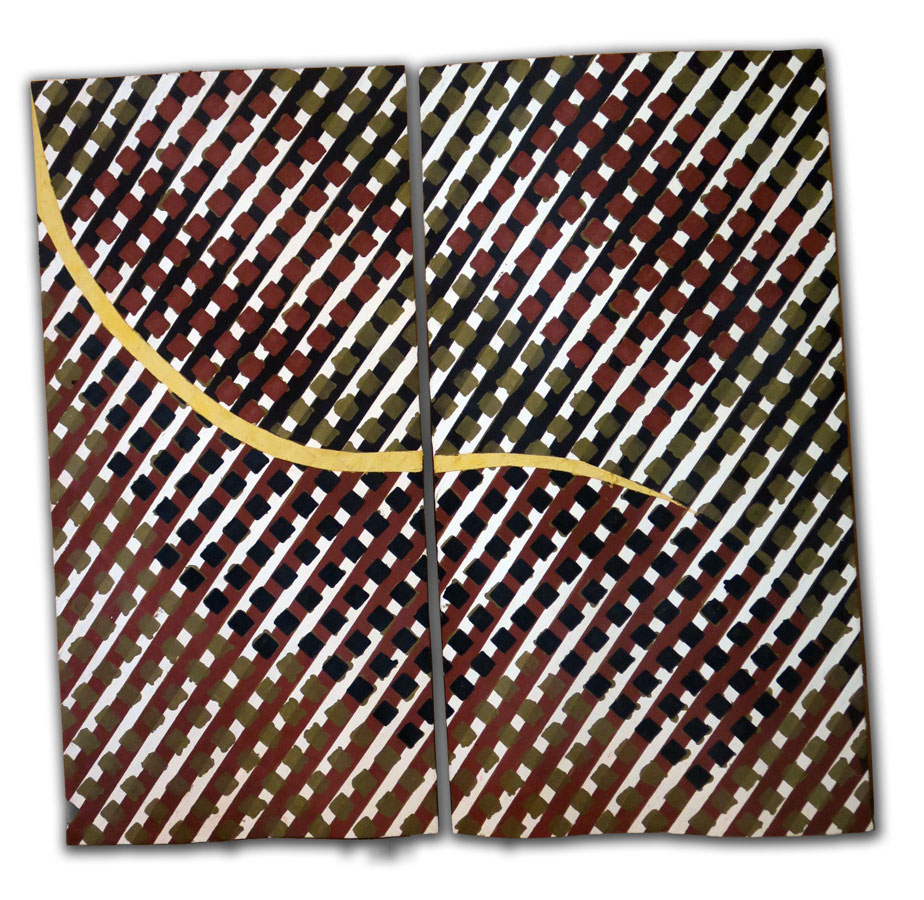
Fresco on shaped wooden panels


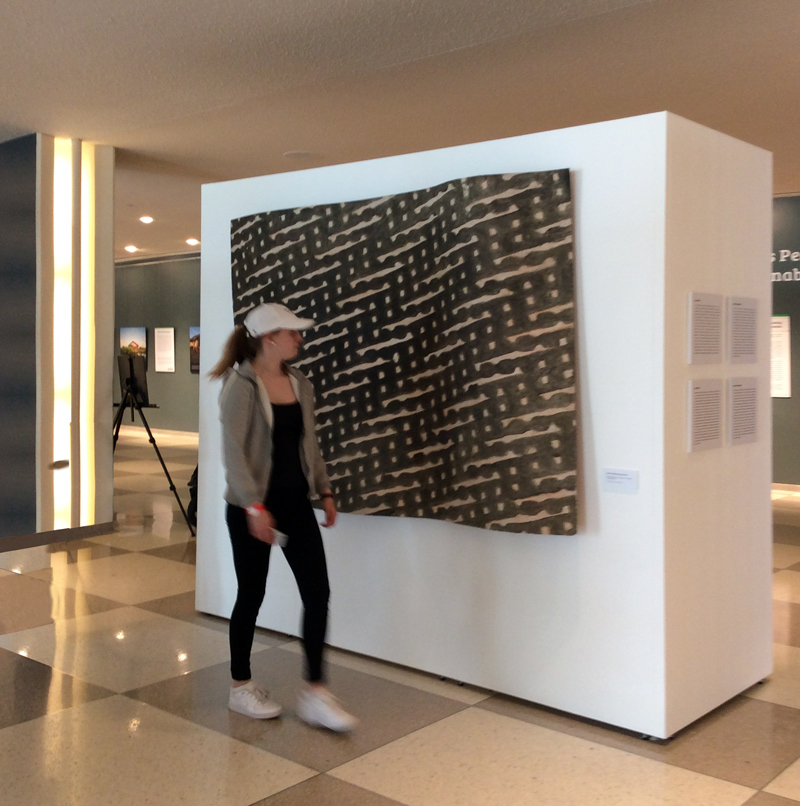
Structure · Repetition · Silent Order
The grid as silent structure and perceptual field.
Within modern and contemporary art, the grid announces a will toward silence: a refusal of narrative and discursive meaning in favor of structure and presence. It establishes a field in which painting no longer represents, but exists as a condition of ordered appearance.
In Fabrizio Ruggiero’s work, the grid is not a formal device, but a generative system. It does not evolve through development, but through repetition — a continuous re-articulation of structure within the present.
The grid asserts the autonomy of art in spatial terms. Flattened, geometric and ordered, it replaces the dimensions of the real world with the spread of a single surface. Its regularity comes from aesthetic decisions rather than imitation: relationships within the painting establish an autonomous space with an end or purpose in itself.
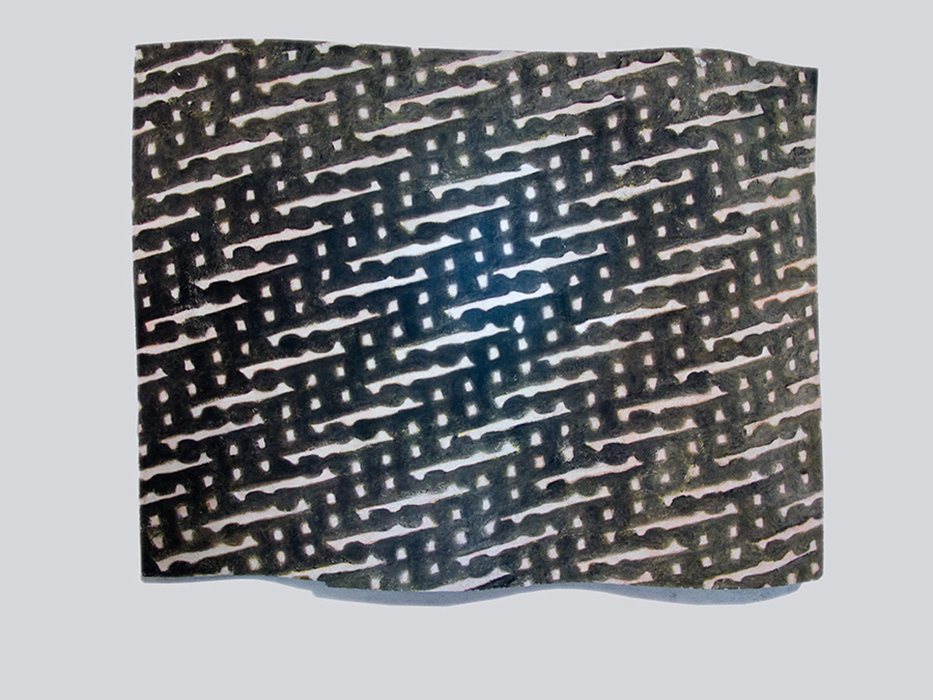
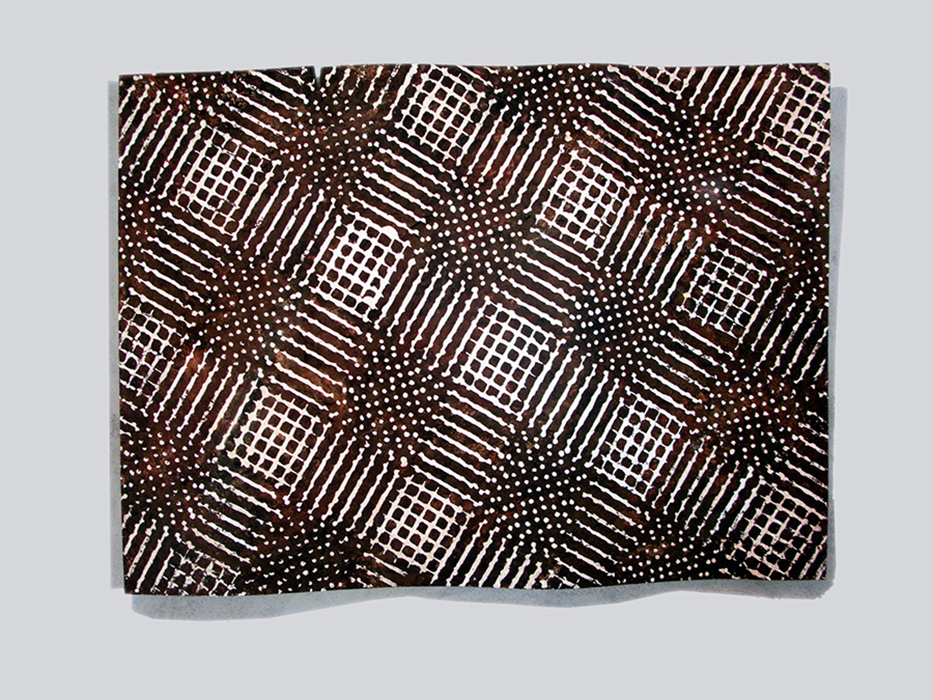
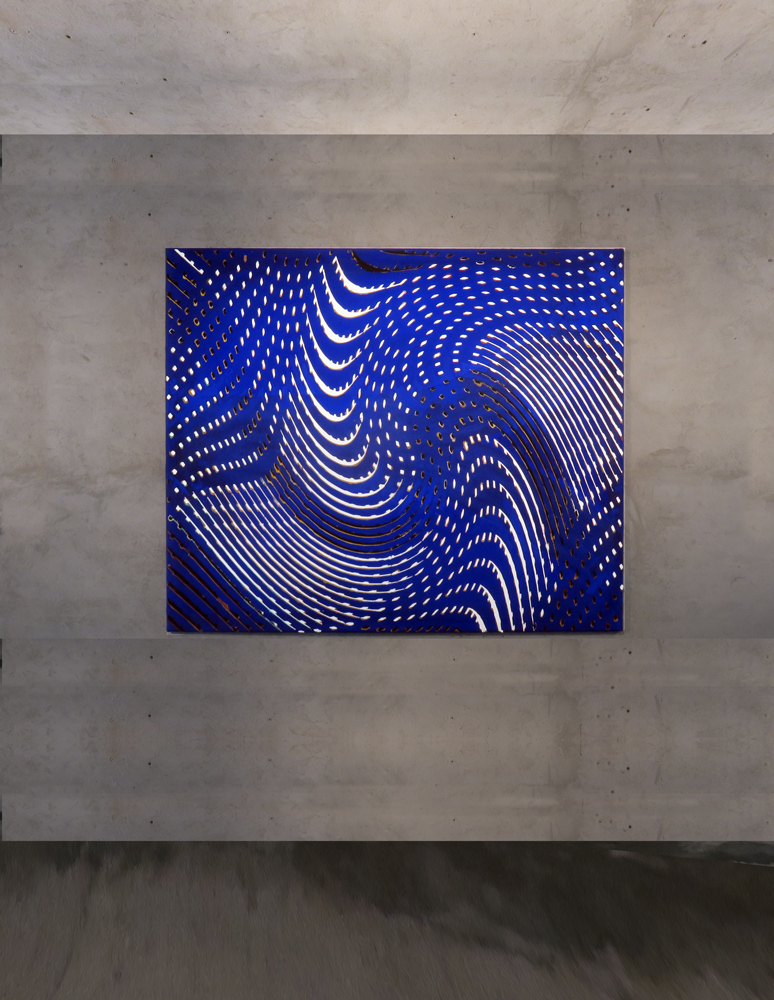
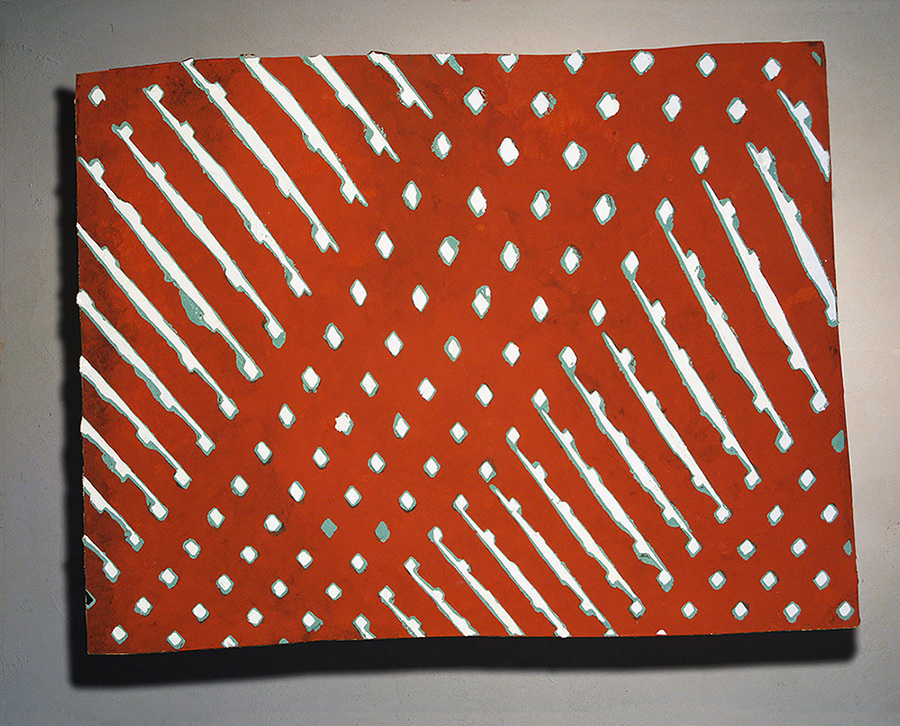
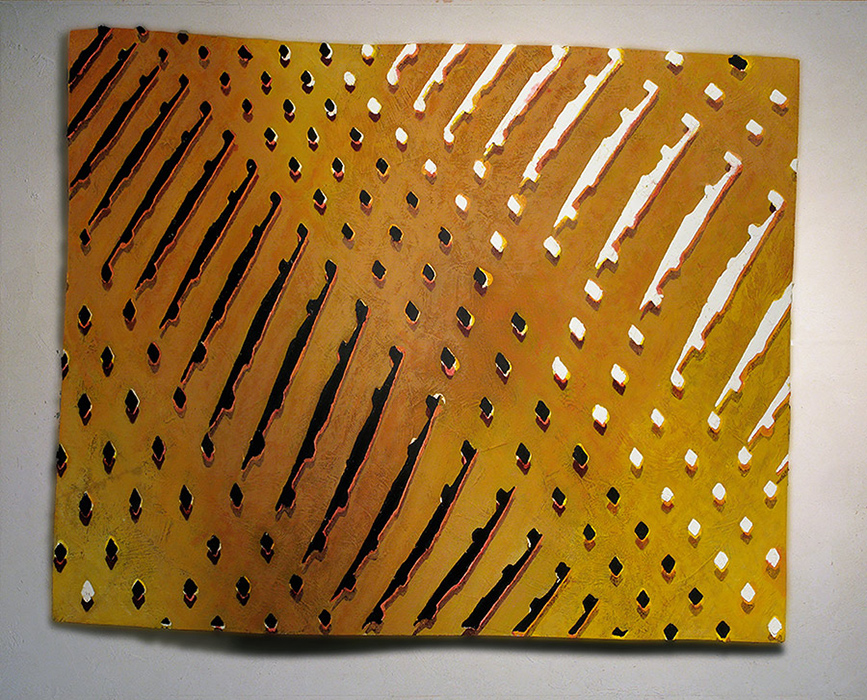
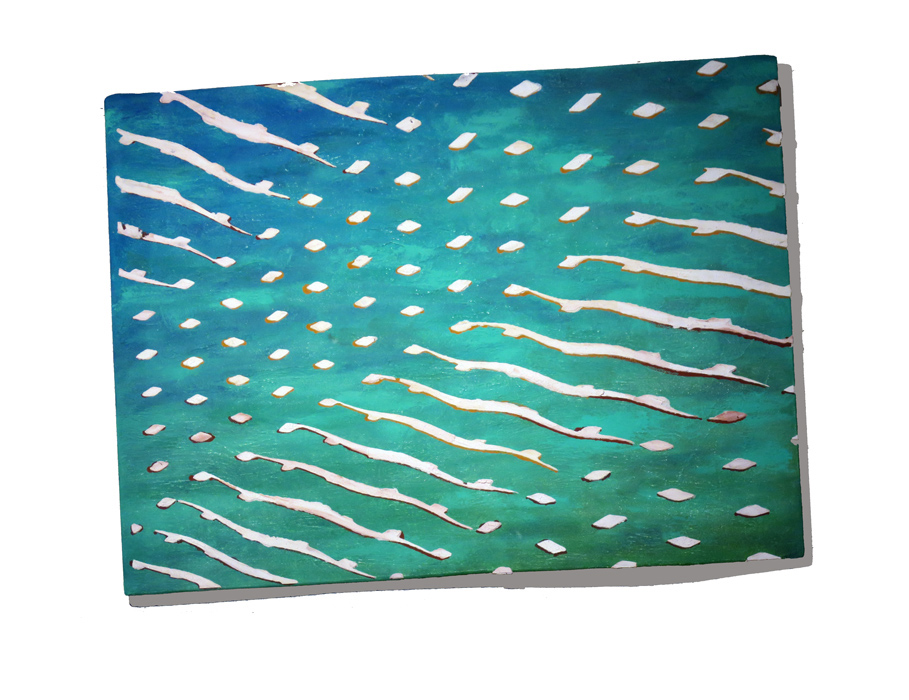
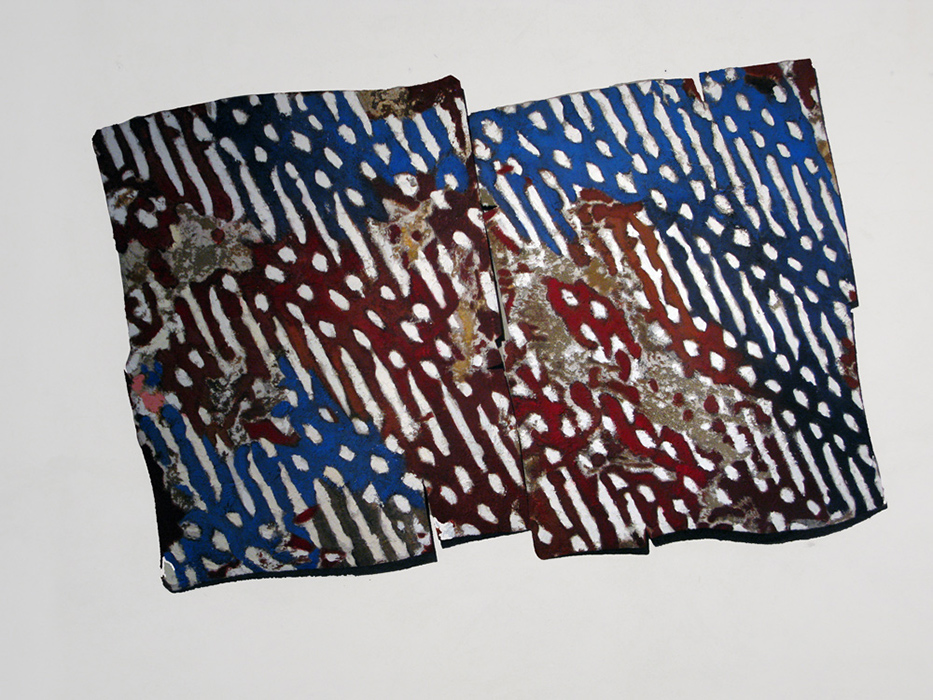
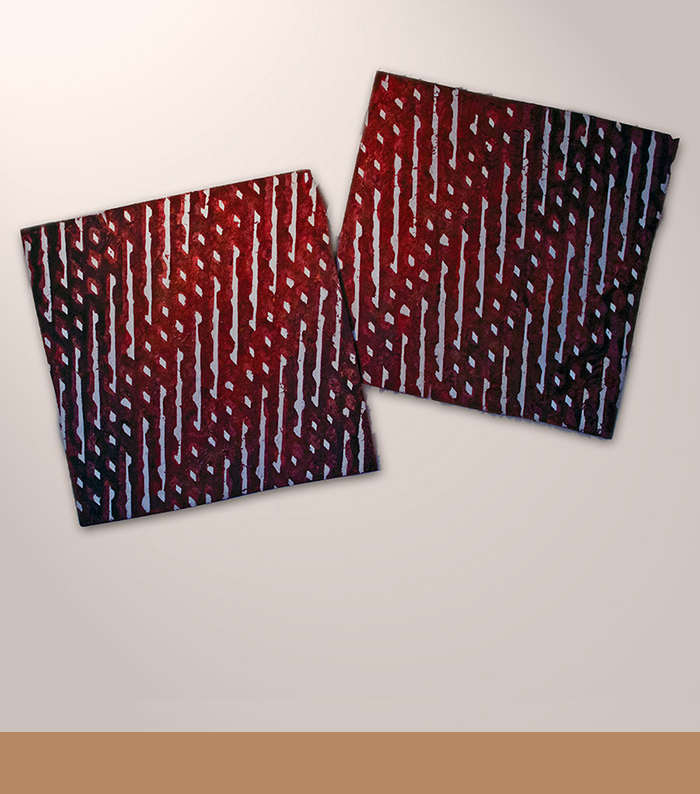
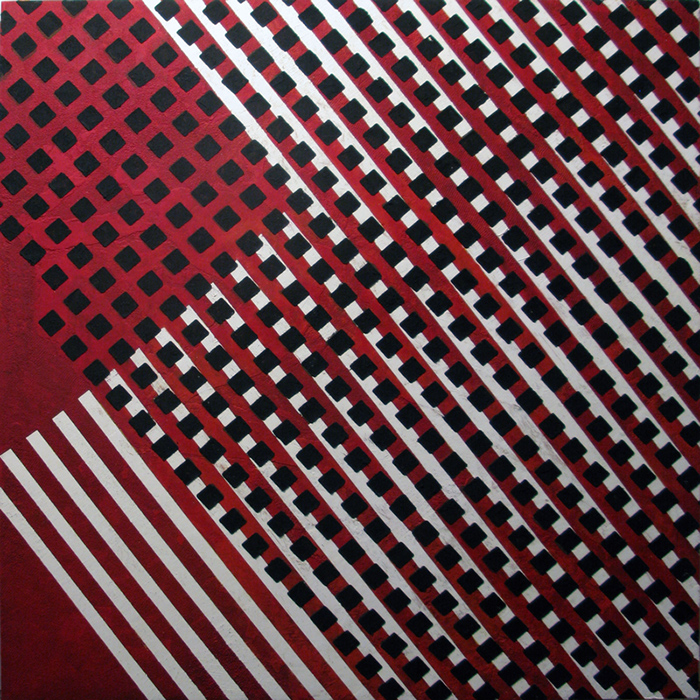
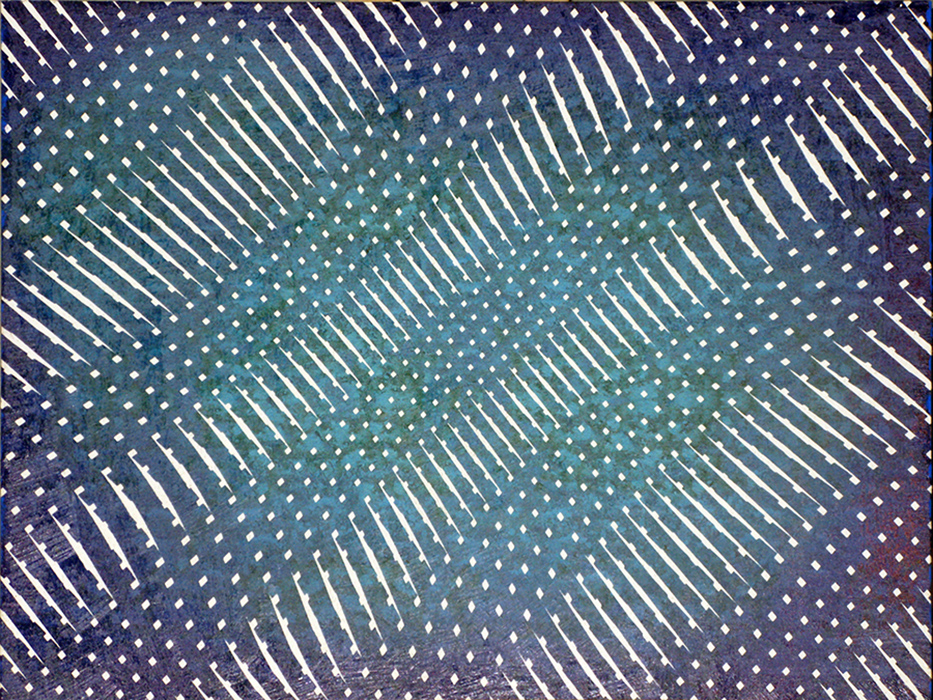
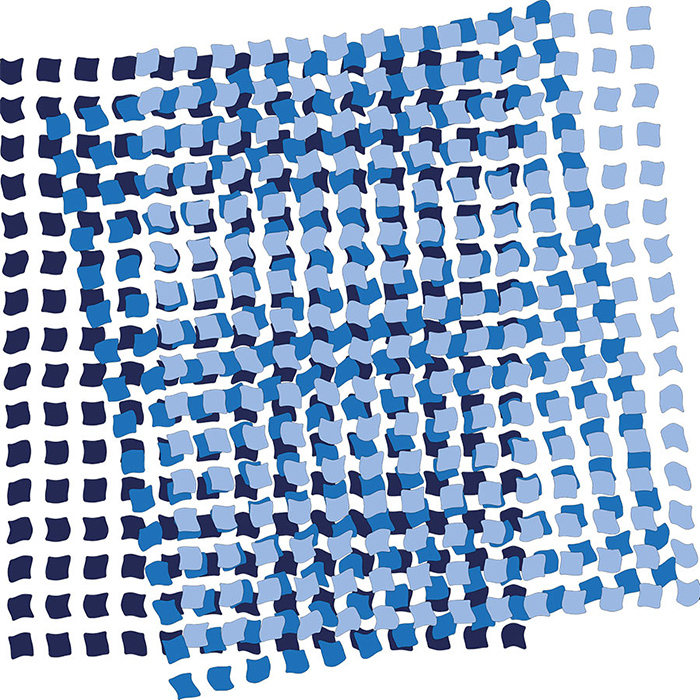
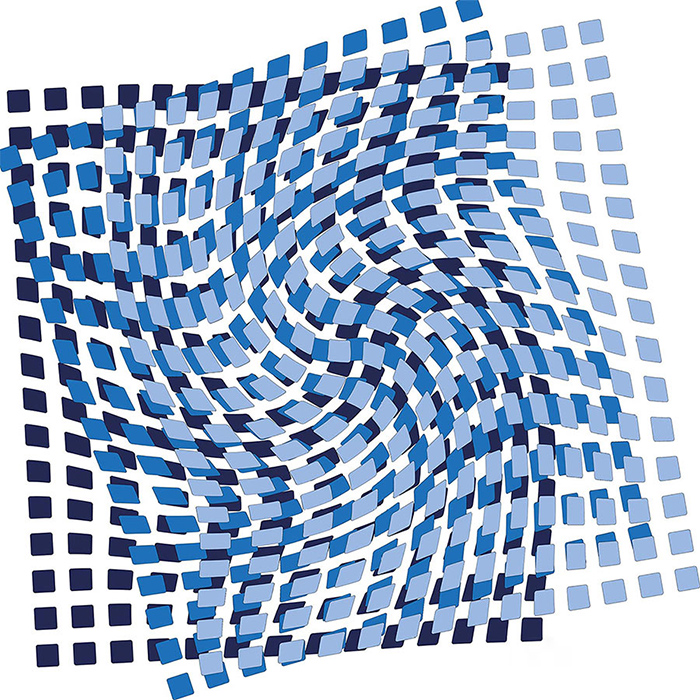
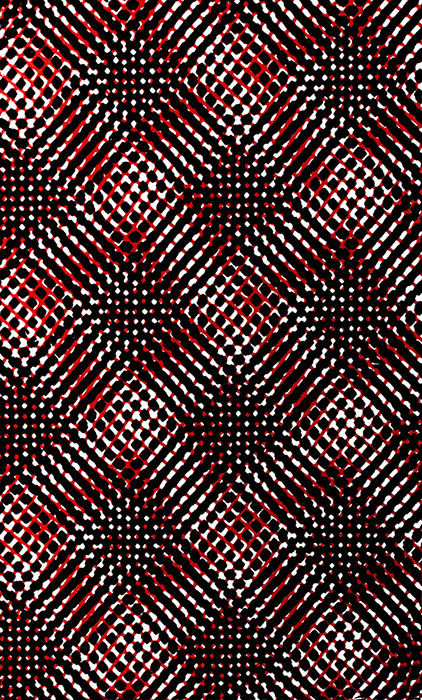
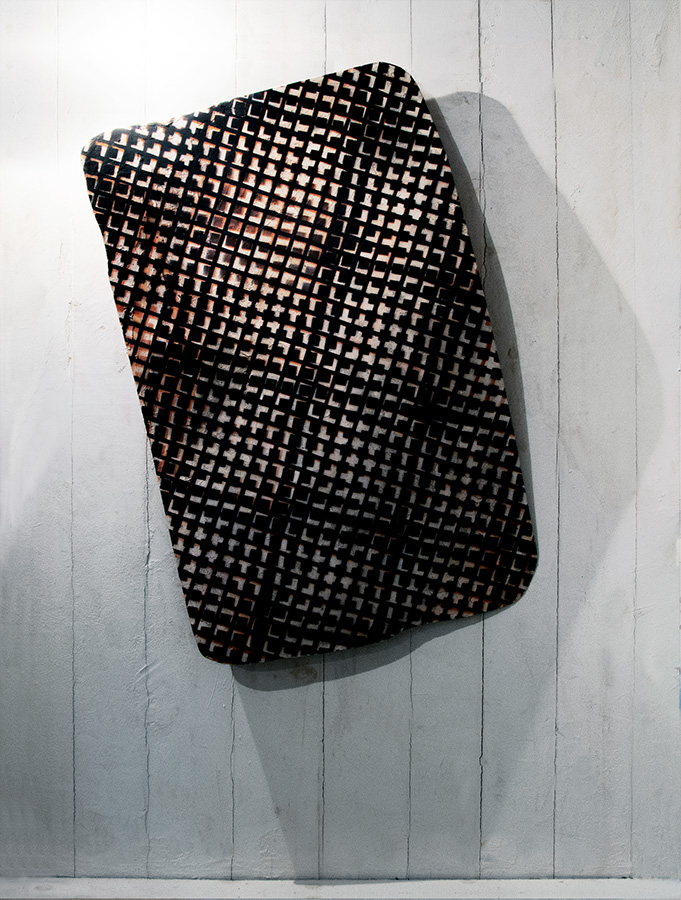
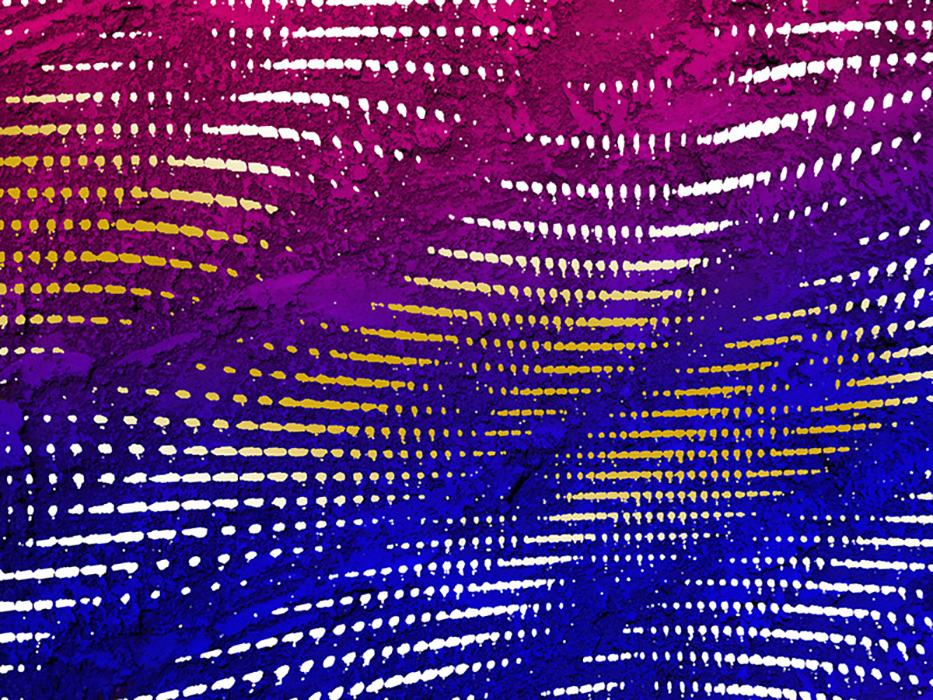
The grid resists transformation while remaining generative. It operates outside narrative time, replacing progression with recurrence. Each work is not a step forward, but a re-inscription — a reaffirmation of presence within a bounded field.
In temporal terms, the grid resists change and development without losing quality. There is no necessary connection between artistic quality and change. The grid can serve as a model for the antidevelopmental, the antinarrative and the antihistorical, placing the work in the present. Ruggiero’s continuing investigation of the grid nevertheless generates new instances of this enduring structure.
The grid functions not as composition, but as a structural condition of perception. It suspends narrative, neutralizes hierarchy, and opens the image to a field of continuous attention.
Within this framework, painting is no longer representation, but process. The surface becomes a site of repetition, interruption, and temporal layering.
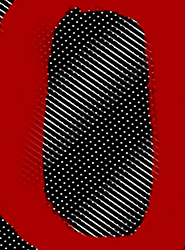
The grid operates as a device of resistance against illusion, establishing a space where the viewer is not guided, but immersed.
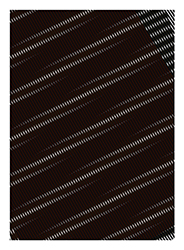
Rather than organizing the image, the grid dissolves it into a condition of presence. It is a structure that does not impose meaning, but allows perception to unfold.