|
|
|
« De Arte Fingendi Drama » abstract sculptures Double click on an image for info and larger images.
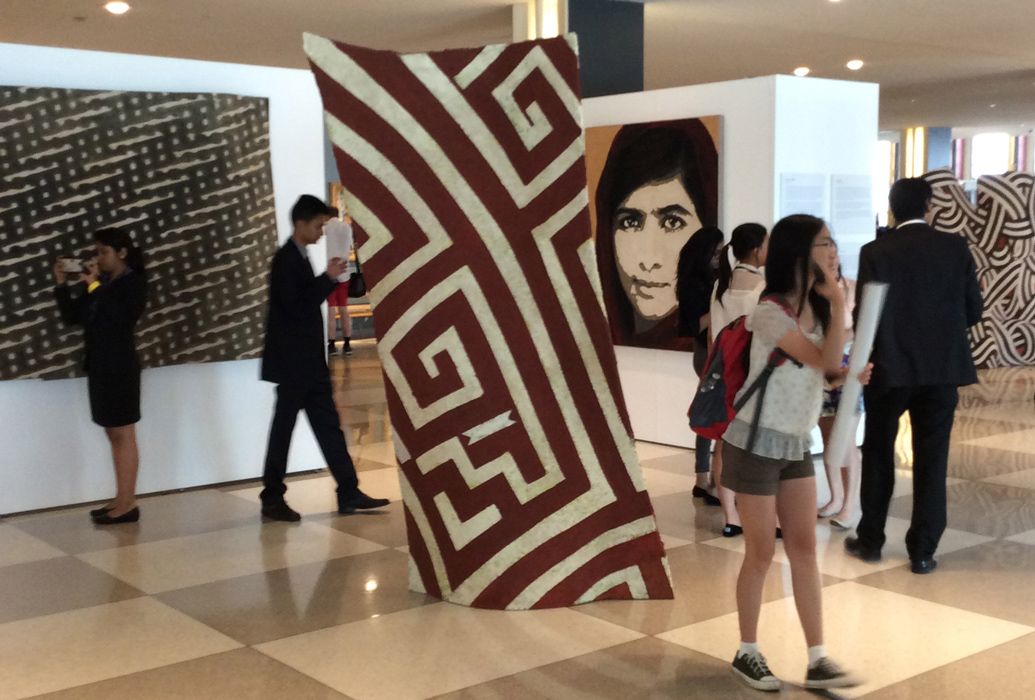
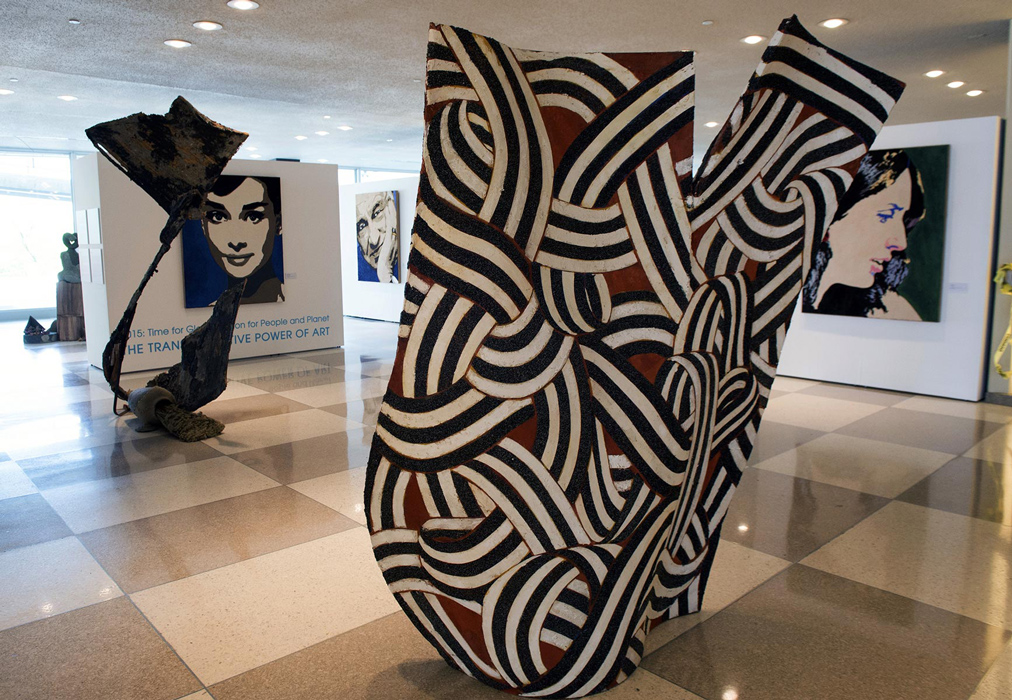
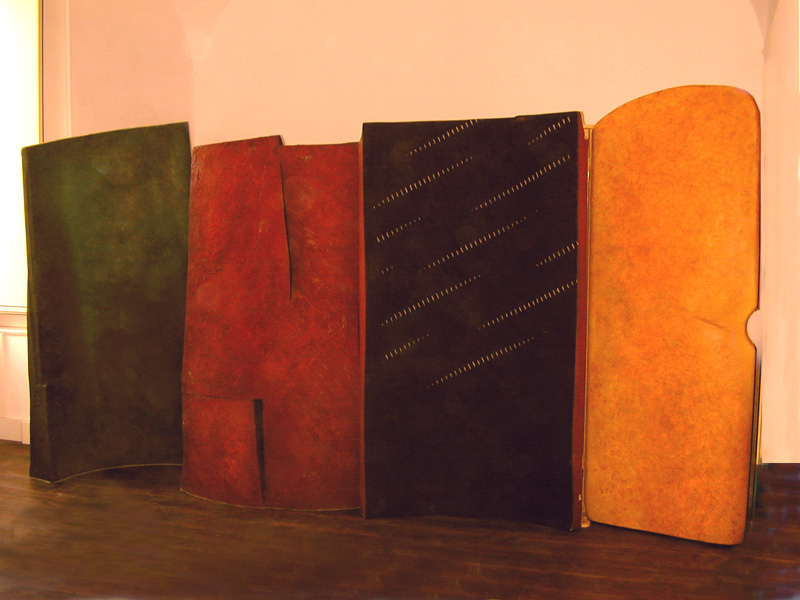
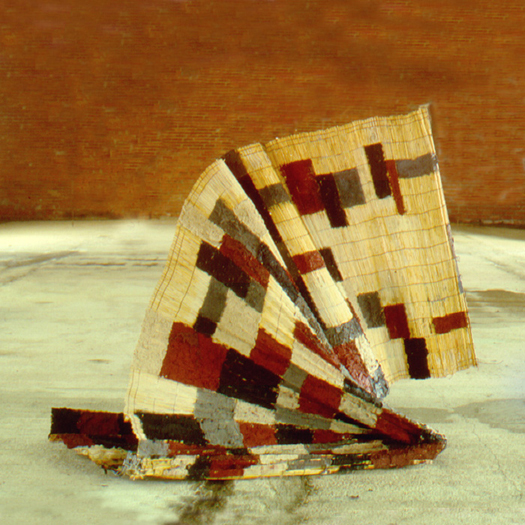
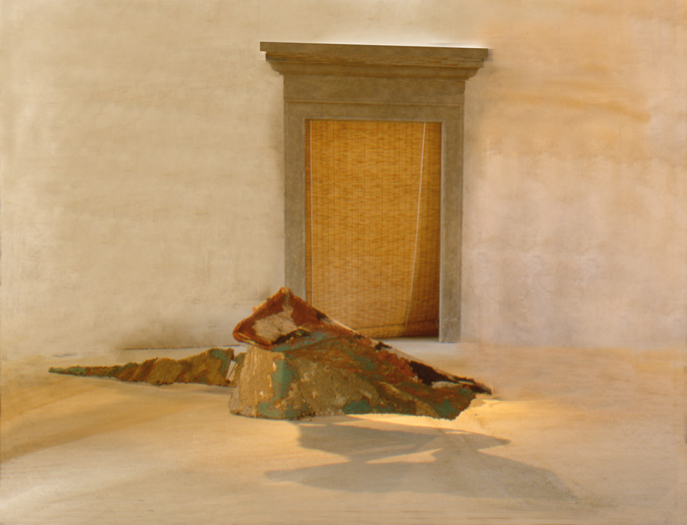
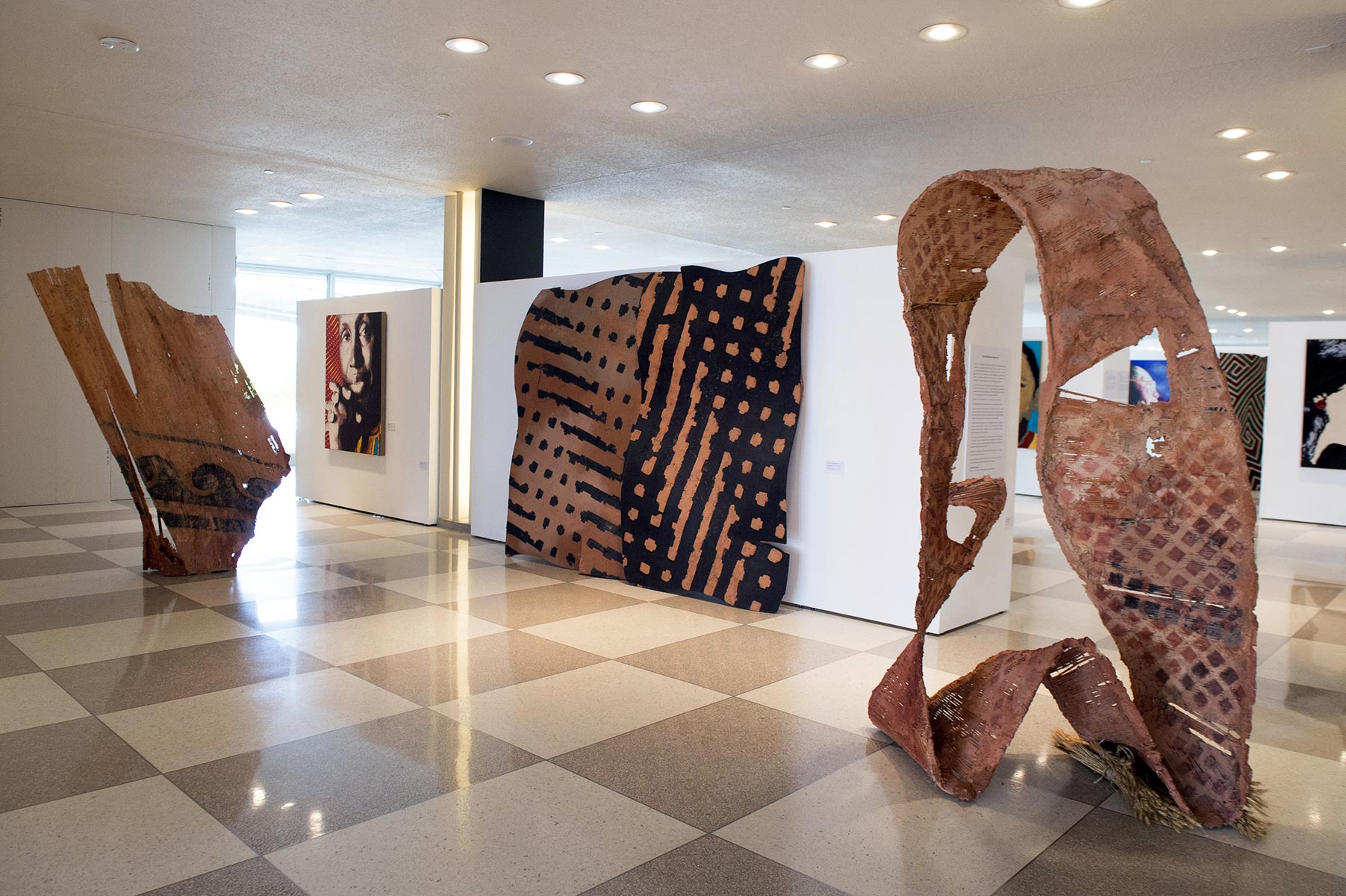
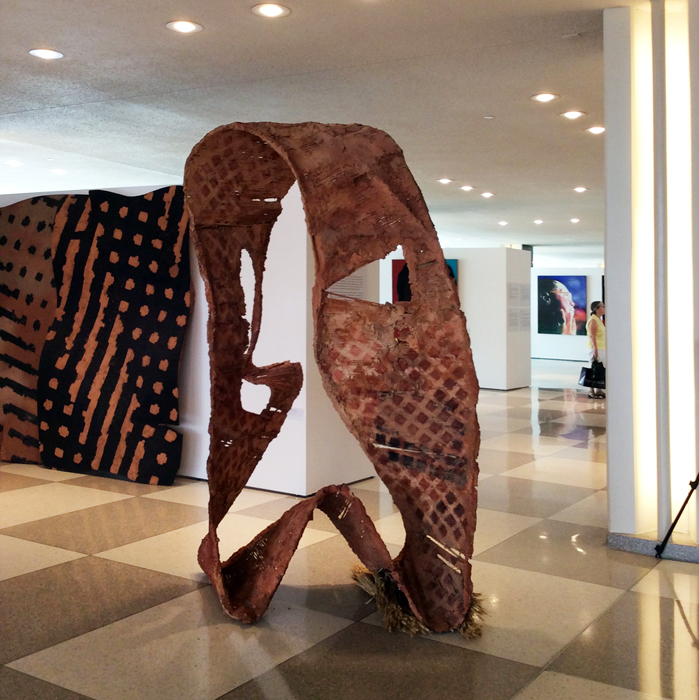
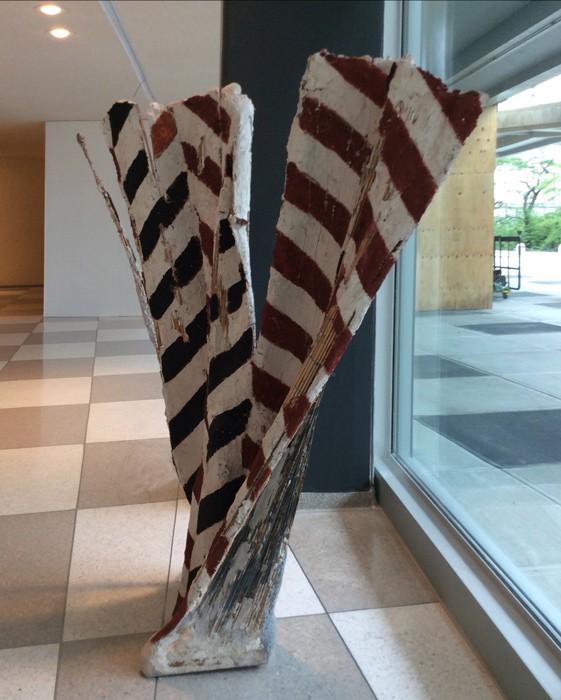
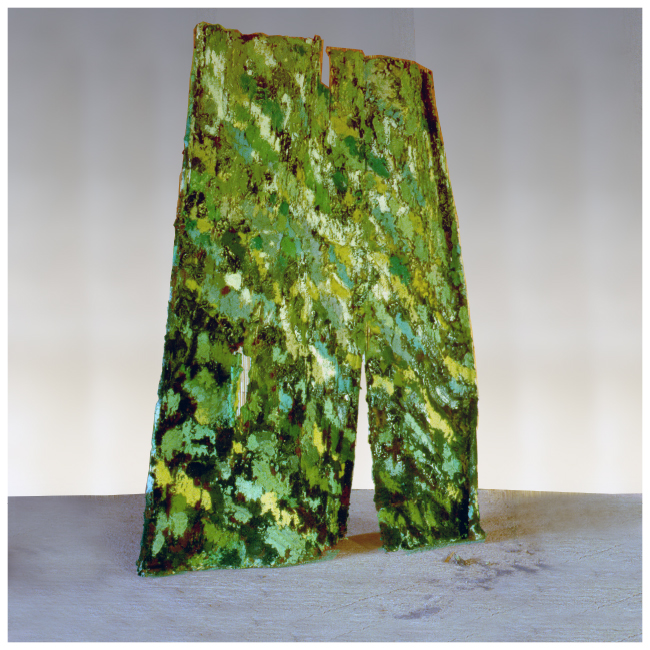
Fabrizio Ruggiero's practice aligns with a constructive, compositional logic. The sculptural act is not a revelation of a pre-existing essence, but the invention of a fragile equilibrium through the assembling, layering, and moulding of elements.Abstract sculptures are main performers in Fabrizio Ruggiero's installations.
|
|||
|---|---|---|---|
Elusive Harmony |
Gaia‘s InterlockIng Web
|
Rising from the Ashes |
|
|
What once was painting — pigment resting on a plane — starts to feel insufficient. The works gathered under De Arte Fingendi Drama are born from this restlessness: the need to leave the skin of the image and to enter space, to allow form not simply to be seen, but to be inhabited
|
|||
|
|
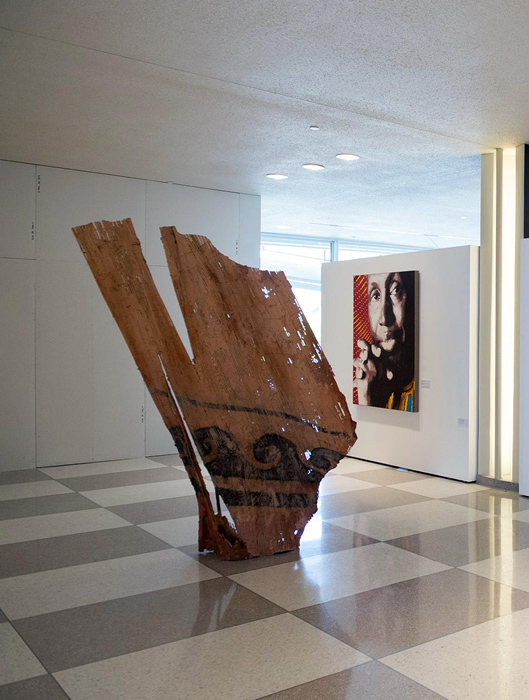
Lone Survivor of a Sea Crossing |
|
|
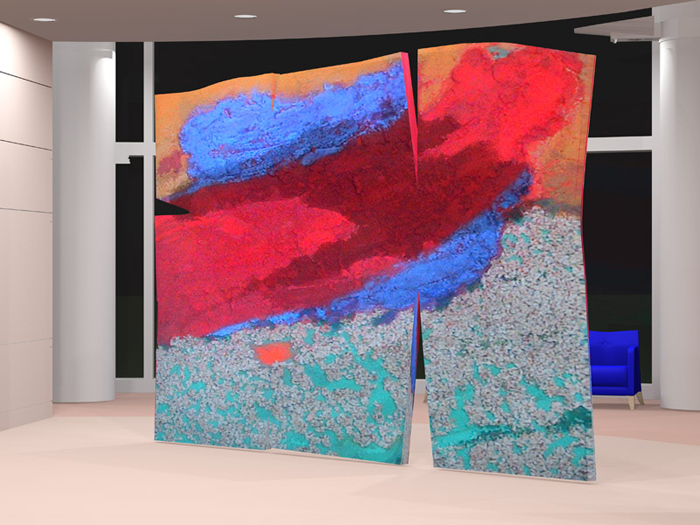
The first signs of this shift appear in On the Brush’s Edge and De Arte Pingendi Fragmenta. Here the painting swells, undulates, resists. Its support bends, its body thickens. The flat field is no longer stable; it trembles, as if already preparing to detach itself from the wall.
| ...
|||
ES-O-ter |
 In Incognito |
||
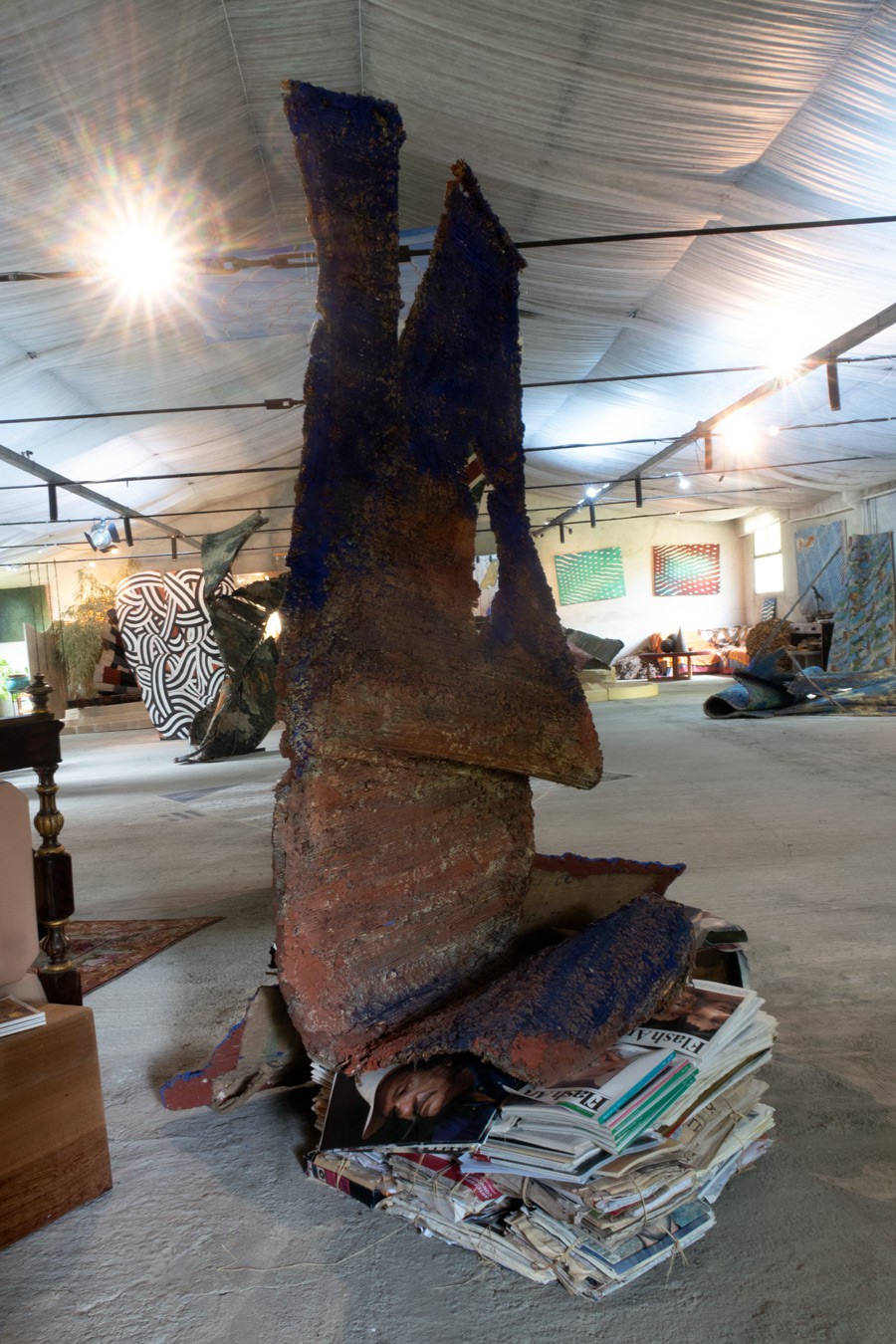
The use of the word
cane mat, mortar, pigments. cm. 220 x 70 x 70 |
|||
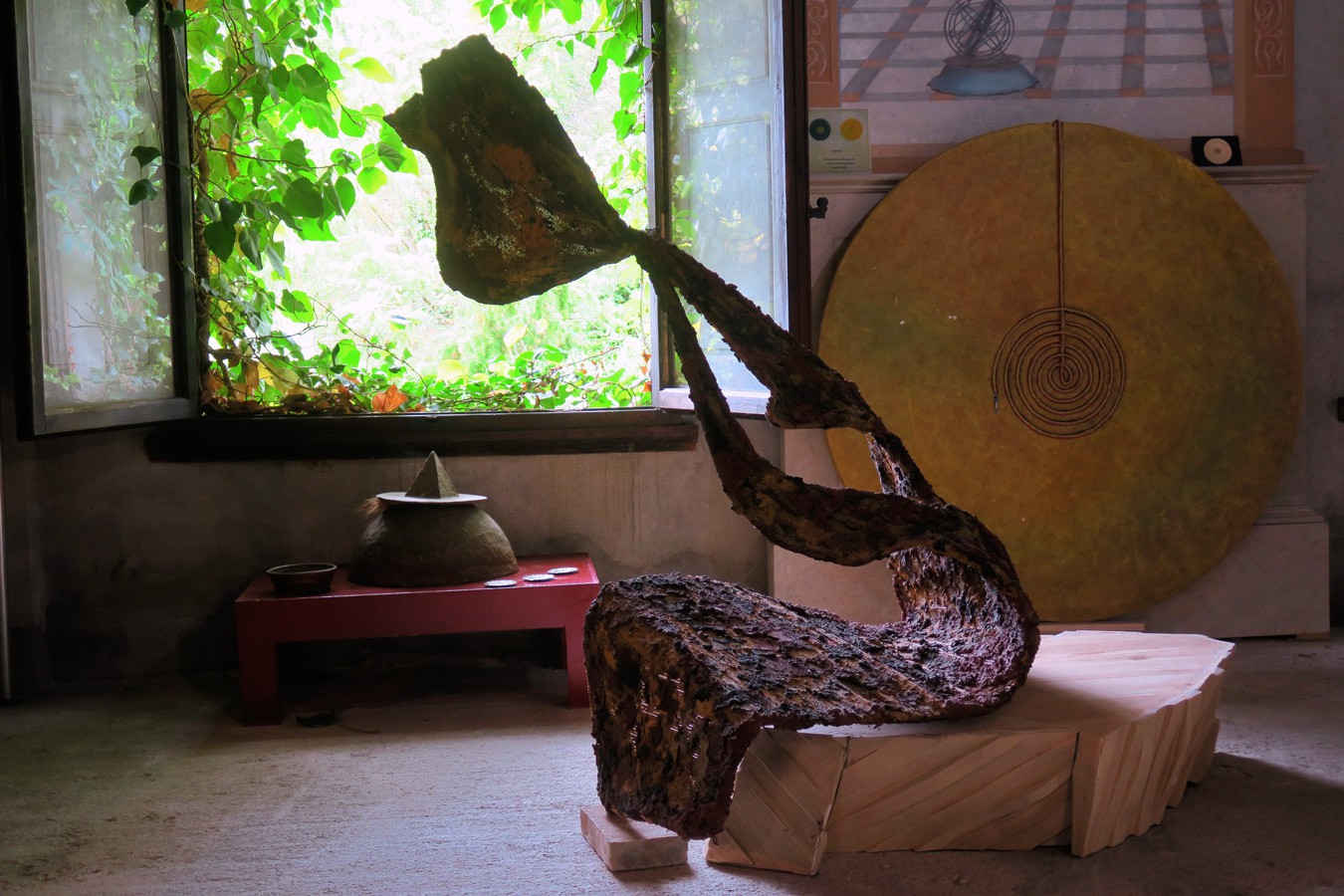
Thinker
cane mat, mortar, pigments. cm. 220 x 90 x 70 |
|||
|
Gradually the question changes. It is no longer about how matter behaves on a surface, but how form breathes within space. Sculpture emerges not as something carved out of a solid mass, but as something composed — a slow construction, a balance assembled piece by piece, fragile and provisional.
|
|||
|
cane mat, mortar, pigments. cm. 560 x 270 x 80 |
||
|
The word that guides this passage is the latin fingere. It means to caress, to imagine, to invent, to form. It carries both the softness of touch and the clarity of thought. In this verb Fabrizio Ruggiero recognizes his own method: neither violent extraction nor rigid modelling, but a continuous act of shaping, like thinking with the hands.
|
|||
cane mat, mortar, pigments. cm. 560 x 270 x 80 |
cane mat, mortar, pigments. cm. 560 x 270 x 80 |
||
|
The material follows this intention. Fresco roughcast plaster — dense, mineral, architectural — is chosen precisely because it resists lightness. And yet it is forced to become light, vibrating, suspended, as if gravity itself were being negotiated rather than obeyed. Then comes the cane, the canniccio: a humble agricultural tool, suddenly charged with memory and myth. In it echo distant cultures — purification rituals, cosmic axes, hollow reeds that become flutes. Cane is fragile, empty inside, but it carries a voice.
Within the installation these sculptures do not speak loudly. They perform in silence. They hold space rather than occupy it, becoming thresholds between painting and sculpture, matter and breath, permanence and disappearance. What remains is not an object, but an experience — the sense that form is not fixed, but always in the act of becoming.
| |||
|
|
|
|