Axial Age Project
Portraits of the Axial Age — Ethics, Consciousness, Transformation
Project Vision
Conceived as an open archive and evolving platform, the Axial Age Project situates portraiture within a broader epistemic field, where painting operates as a device of thought and awareness rather than as representation alone.
The Axial Age Project is conceived as a curatorial research platform that investigates the shared ethical, philosophical, and symbolic roots of civilizations through portraiture. Inspired by Karl Jaspers’ concept of the “Axial Age,” the project traces a historical threshold in which human consciousness underwent a radical transformation across multiple cultures, often without direct contact.
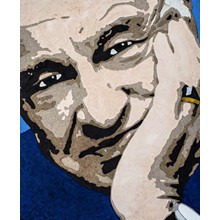
Portraits function here as contemporary effigies: not celebratory icons, but reflective presences that condense an ethical horizon. The project proposes a museum-like reading experience, combining an interpretive index, cultural filters, a timeline, and a conceptual map.
Conceptual Framework
Between the 6th and 4th centuries BC, parallel currents of thought emerged in Persia, India, China, and the Greek world. Figures such as Socrates, Confucius, Buddha, Lao Tzu, Zoroaster, Pythagoras, Mahavira, Parmenides, and Heraclitus articulated new paradigms of responsibility, knowledge, and transcendence.
The project translates this historical convergence into a visual language — constructing a contemporary map of shared human consciousness and the ethical architectures that still shape global culture today.
“The centuries from the 6th to the 4th century BC represent the apex of the Axial Age, when rivers of new awareness and revolutionary spiritual currents flowed across civilizations.”
Navigable Index
Parallel breakthroughs in ethics, metaphysics, and spiritual systems shape the emergence of individual consciousness across civilizations.
Buddha and Mahavira articulate compassion, enlightenment, and non-violence as foundations for ethical life.
Confucius and Lao Tzu develop complementary visions: moral order and social integrity, cosmic balance and the Way.
Zoroaster introduces moral responsibility and ethical choice within a renewed spiritual horizon.
Thales of Miletus., Heraclitus, Parmenides, and Pythagoras establish logos, inquiry, ontology, and the harmony of number as structures of thought.
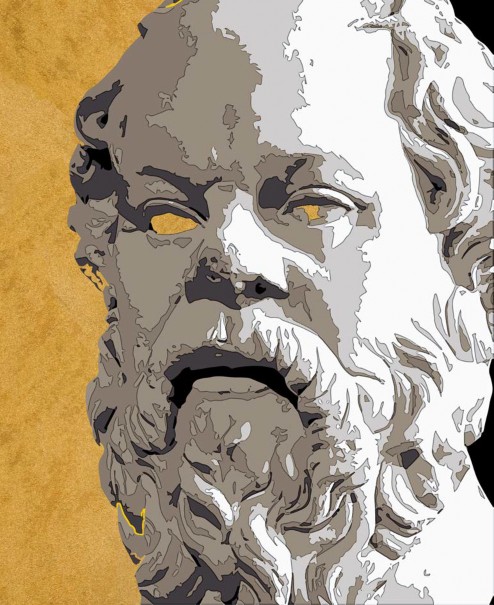
Fresco portrait by Fabrizio Ruggiero
Ethical philosophy · Critical inquiry · Moral consciousness
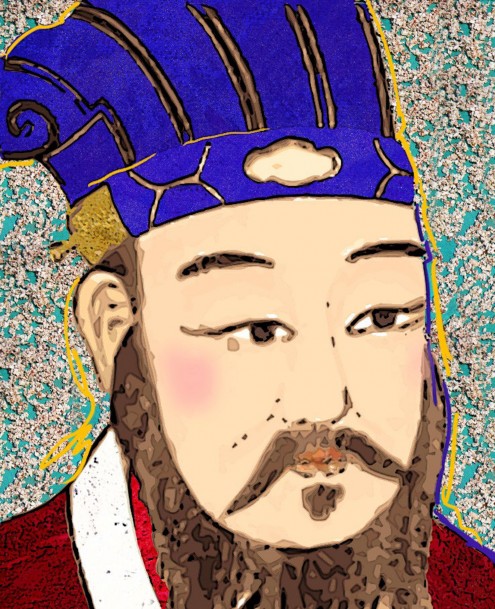
Fresco portrait by Fabrizio Ruggiero
Integrity · Justice · Ethical order in social relationships
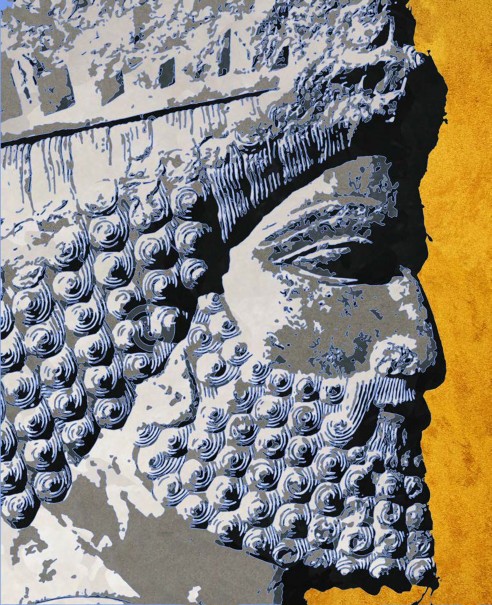
Fresco portrait by Fabrizio Ruggiero
Responsibility · Ethical choice · Spiritual renewal
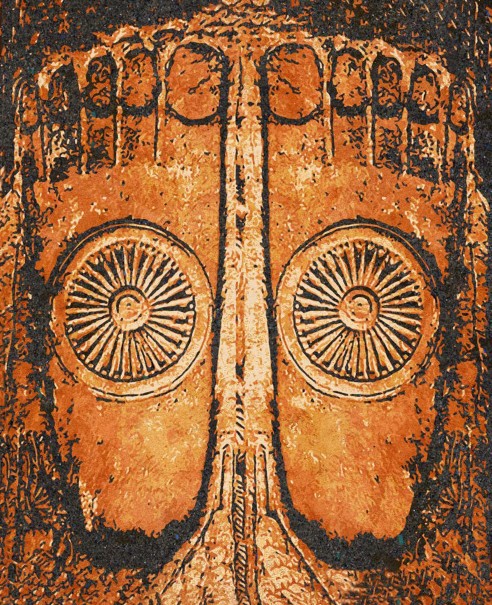
Fresco portrait by Fabrizio Ruggiero
Enlightenment · Compassion · Interdependence
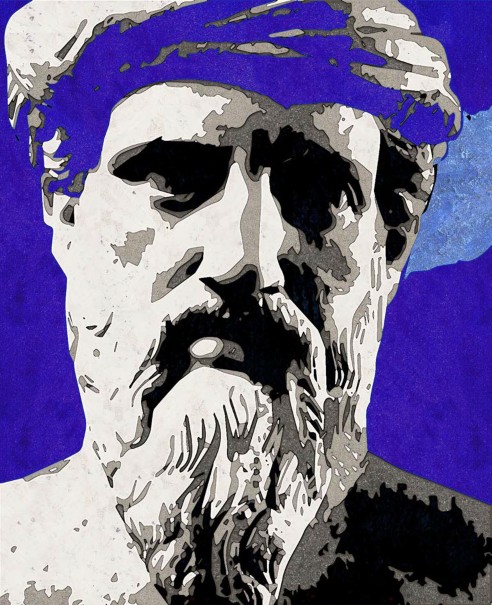
Fresco portrait by Fabrizio Ruggiero
Harmony of number · Cosmic order · Form as knowledge
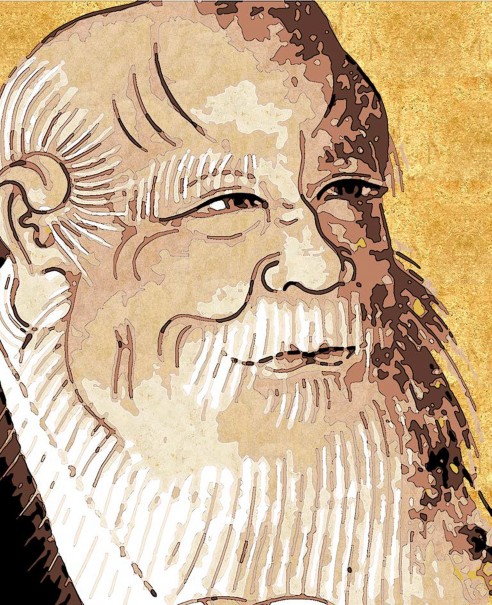
Fresco portrait by Fabrizio Ruggiero
The Tao · Balance · The Way as a principle of existence
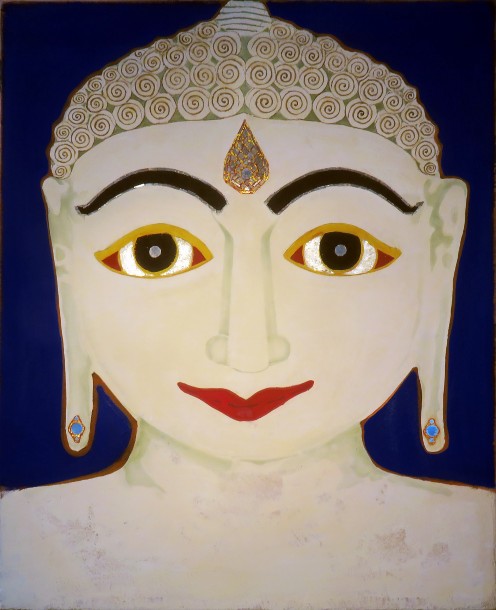
Fresco portrait by Fabrizio Ruggiero
Ahimsa · Ethical non-violence · Harmony among beings
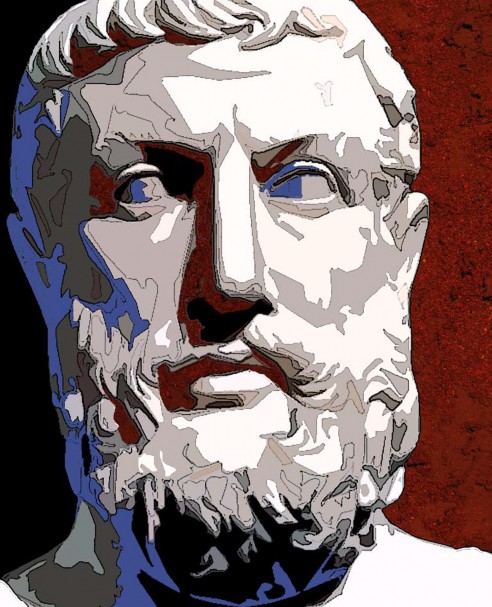
Fresco portrait by Fabrizio Ruggiero
Being · Ontology · Foundations of metaphysical thought
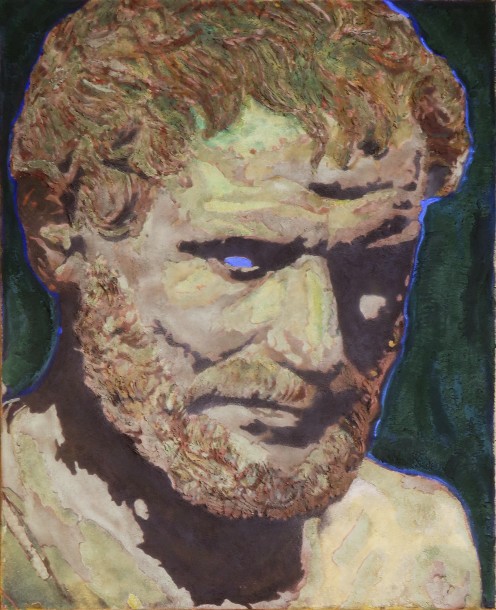
Fresco portrait by Fabrizio Ruggiero
Flux · Becoming · Transformation as structure of reality